
India’s love for hand woven fabrics goes back thousands of years and every year, the country pauses to celebrate the artisans behind this timeless craft. This special occasion is known as Handloom Day and it holds deep cultural, economic and emotional significance for millions of Indians.
From the intricate Banarasi silk sarees of Uttar Pradesh to the vibrant Ikat weaves of Odisha, handloom weaving is not just an industry in India it’s a way of life passed down through generations. Let’s explore everything you need to know about this important day.
Table of Contents
What Is National Handloom Day?
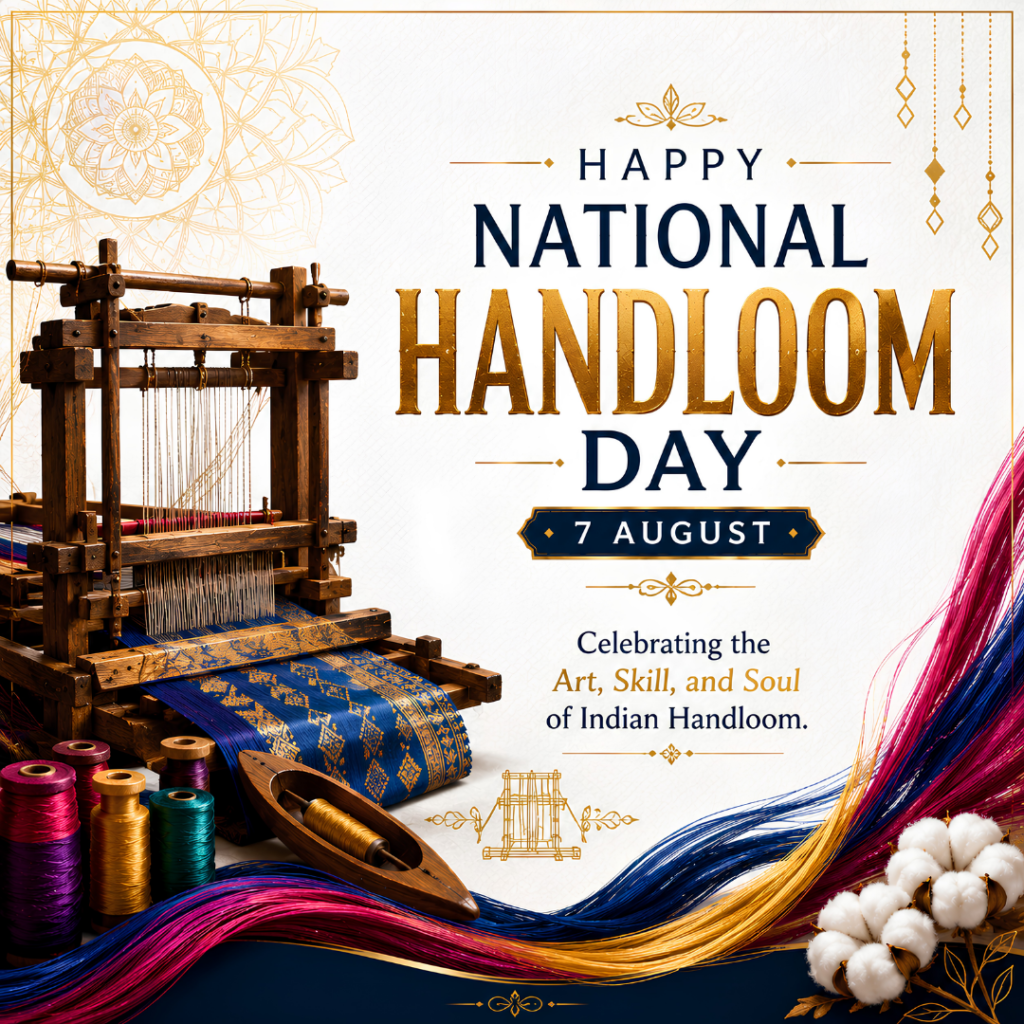
- National Handloom Day is observed every year on August 7th across India.
- It was first launched in 2015 by the Government of India to honor the handloom weaving community.
- The date was specifically chosen because it marks the anniversary of the Swadeshi Movement, which began on August 7, 1905 encouraging Indians to boycott foreign goods and support indigenous industries.
- The day aims to boost awareness about the handloom sector’s contribution to India’s economy, culture and rural livelihoods.
Why August 7th Was Chosen
- The Swadeshi Movement was a pivotal moment in India’s freedom struggle, encouraging citizens to embrace locally made products, including hand woven textiles.
- By linking Handloom Day to this historic movement the government aimed to inspire the same spirit of self-reliance and pride in Indian craftsmanship.
- It serves as a reminder that supporting handloom weavers today continues the legacy of economic independence that began over a century ago.
Why Handloom Day Matters for India
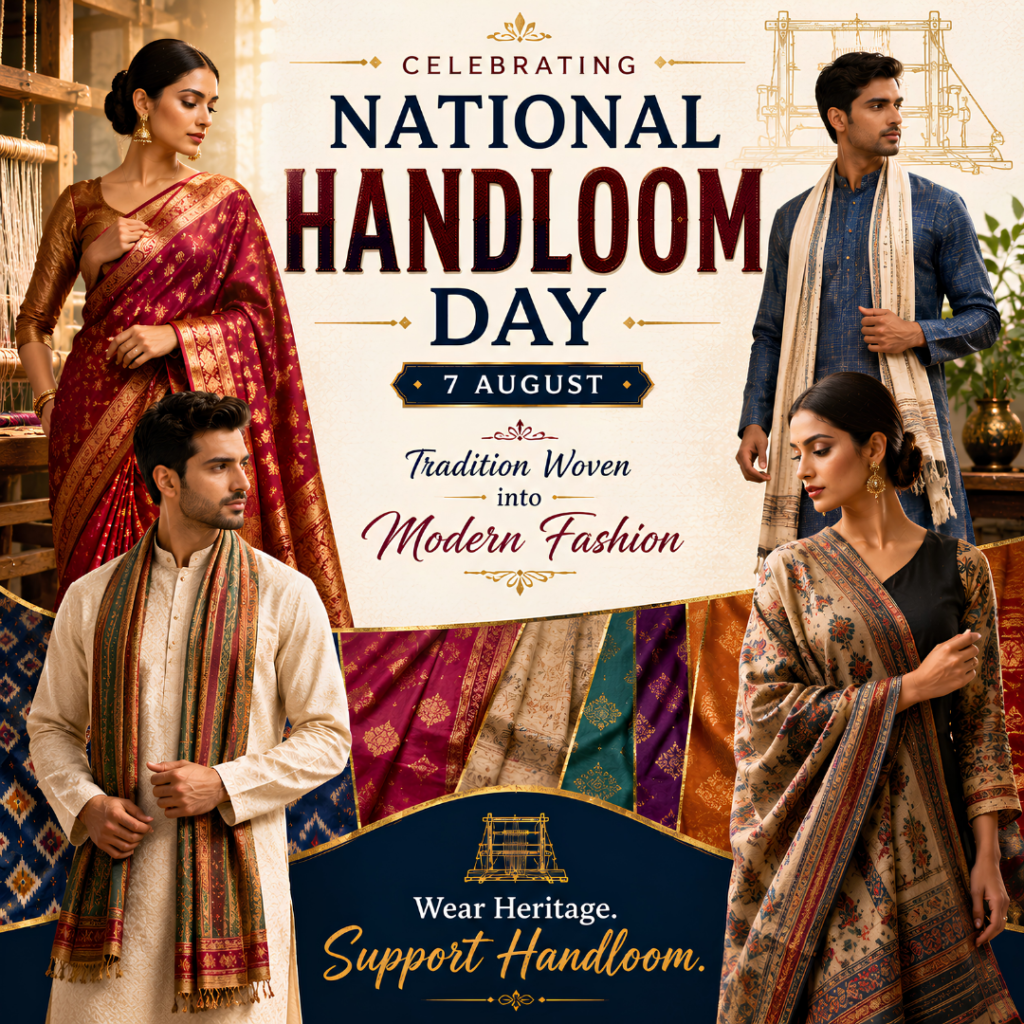
- Preserves cultural heritage – India is home to hundreds of unique handloom traditions from Banarasi and Kanjeevaram sarees to Pochampally Ikat and Chanderi weaves.
- Supports rural livelihoods – The handloom sector is one of the largest employment providers in rural India second only to agriculture.
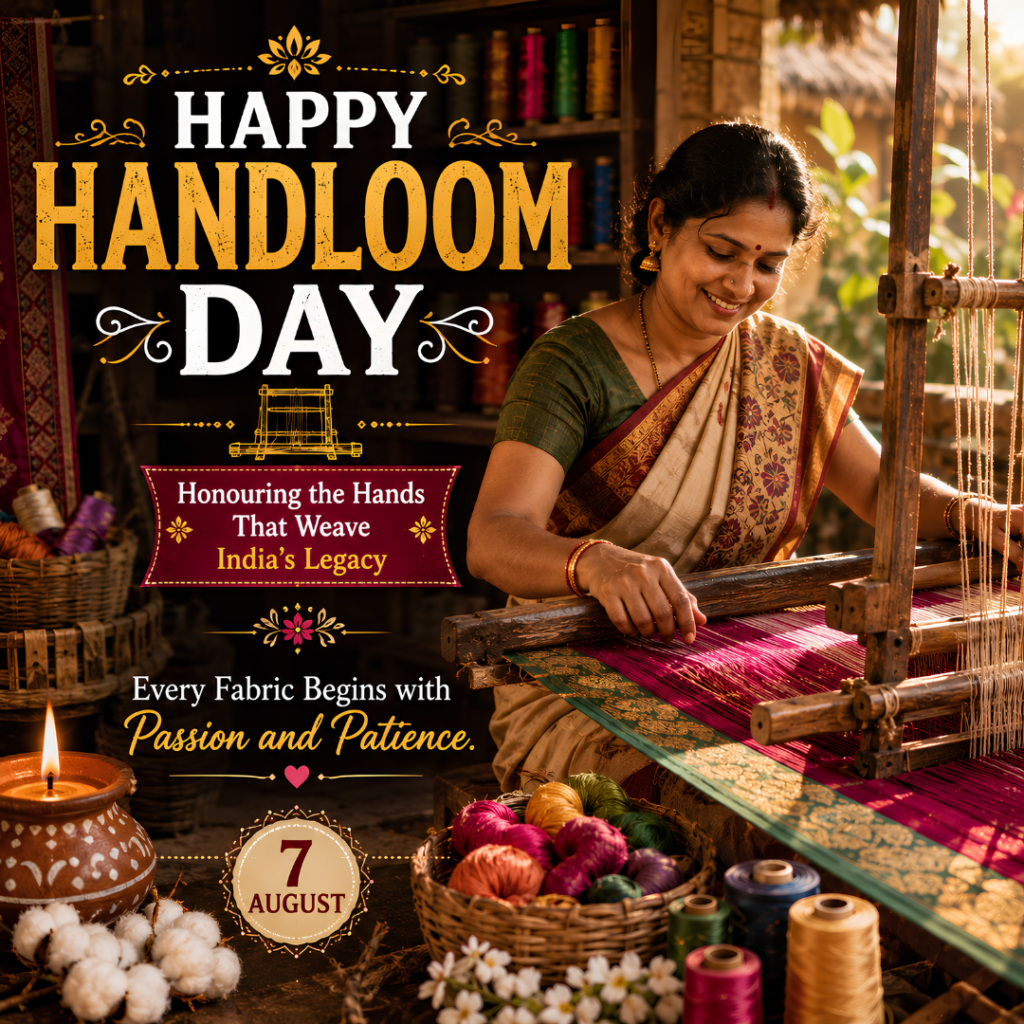
- Empowers women artisans – A significant percentage of India’s handloom weavers are women making this sector crucial for women’s economic empowerment.
- Promotes sustainable fashion – Handloom weaving is eco-friendly using minimal electricity and natural fibers compared to mass-produced textiles.
- Boosts the “Vocal for Local” movement – The day aligns with India’s broader push to promote homegrown products over imported goods.
Fascinating Facts About India’s Handloom Industry
- India’s handloom sector employs over 35 lakh (3.5 million) weavers and allied workers making it one of the largest cottage industries in the world.
- India accounts for a majority of the world’s total handloom production.
- Handloom weaving in India is often a family tradition with skills passed down from one generation to the next.
- Some handloom sarees like the Banarasi silk can take anywhere from 15 days to several months to complete depending on the intricacy of the design.
- Famous handloom clusters in India include Varanasi, Kanchipuram, Pochampally, Chanderi, Maheshwar and Assam’s Sualkuchi.
Popular Handloom Traditions Across India
Here’s a quick look at some of India’s most iconic handloom styles:
- Banarasi Sarees (Uttar Pradesh) – Known for rich gold and silver zari work.
- Kanjeevaram Sarees (Tamil Nadu) – Famous for bright colors and temple-inspired borders.
- Pochampally Ikat (Telangana) – Recognized for its geometric tie-dye patterns.
- Chanderi Fabric (Madhya Pradesh) – Loved for its lightweight, sheer texture.
- Muga Silk (Assam) – Known for its natural golden sheen and durability.
- Bhagalpuri Silk (Bihar) – Popular for its rich texture and traditional weaving techniques.
How India Celebrates Handloom Day
| Government Initiatives | The Ministry of Textiles organizes events, exhibitions and awareness campaigns across the country. Special recognition and awards are given to master weavers for their contribution to the craft. |
| Handloom Exhibitions and Fairs | Many states organize handloom expos where weavers showcase and sell their products directly to consumers. These events help eliminate middlemen, ensuring better profits for artisans. |
| Social Media Campaigns | Hashtags like #NationalHandloomDay and #HandloomDay trend across platforms as people share pictures wearing handloom outfits. Influencers and celebrities often promote handloom fashion to encourage wider adoption. |
| Educational Programs | Schools and colleges conduct awareness sessions about the importance of handloom textiles and traditional weaving techniques. |
| Retail Discounts and Promotions | Many handloom brands and government emporiums like Fabindia and state handloom corporations offer special discounts during this period. |
How You Can Support Handloom Weavers
- Buy directly from weavers or government-certified handloom stores rather than mass-market imitations.
- Choose authentic handloom products by checking for the official Handloom Mark which certifies genuine hand woven items.
- Gift handloom products during festivals and special occasions to promote the craft.
- Spread awareness among friends and family about the value of handmade, sustainable fashion.
- Follow and support weaver communities on social media to help them reach a wider audience.
Final Thoughts
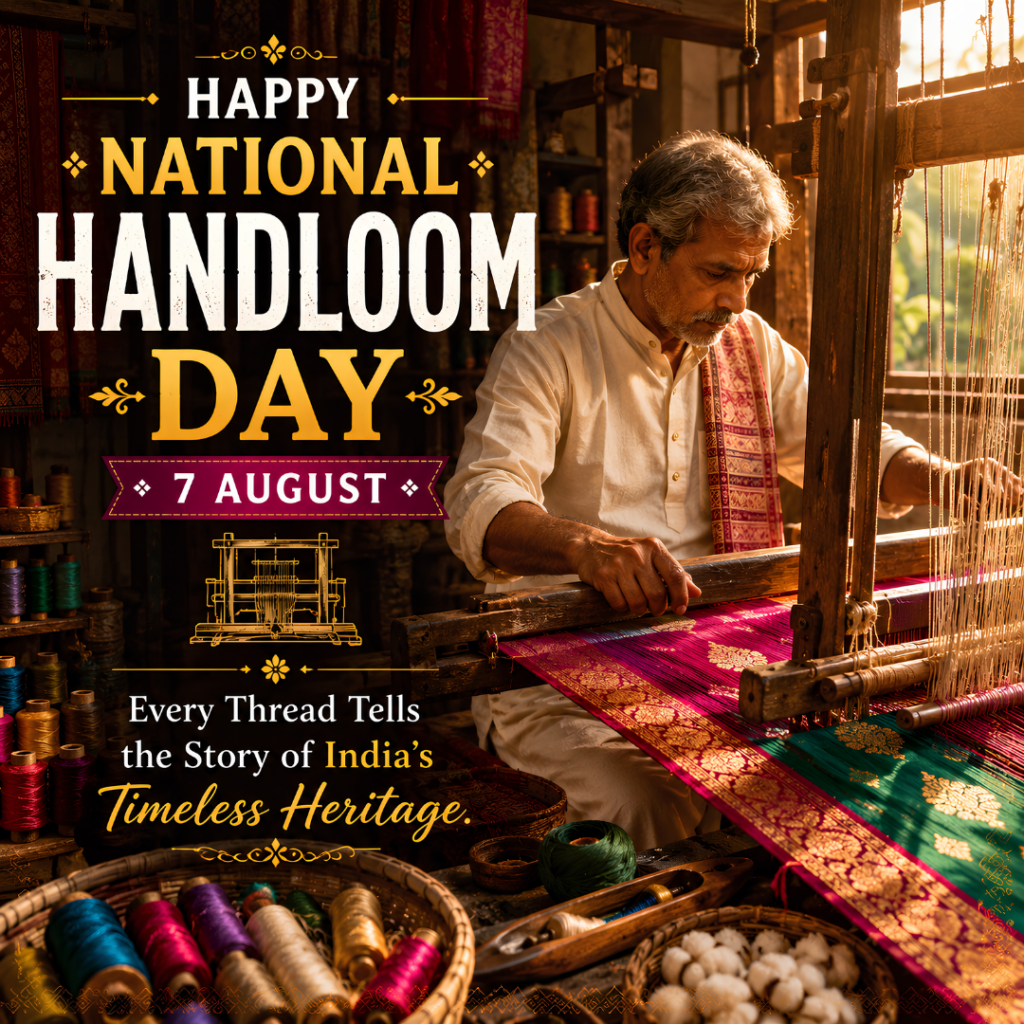
National Handloom Day is a beautiful reminder of India’s rich textile legacy and the skilled hands that keep this tradition alive. It’s a day to celebrate not just fabric, but the culture, history and hard work woven into every thread. Supporting handloom weavers doesn’t just preserve an art form it empowers families, strengthens rural economies and keeps India’s cultural identity thriving for future generations.
This Handloom Day consider adding a piece of hand woven fabric to your wardrobe. It’s more than just clothing it’s a story woven by generations of Indian artisans.

Hi I am Vishal Das an Content Creator and blogger created Multiple Website and working as blogger from last 2 years Right Now Working on the website . I have Completed my Schooling from St Xavier’s School Delhi and completed my Graduation from Distance Learning. Please do Join My Facebook page and pinterest Account.